

Understanding Acne: Causes, Treatment Options, and How We Can Help
Acne is one of the most common skin conditions, affecting people of all ages, especially adolescents and young adults.
Acne is one of the most common skin conditions, affecting people of all ages, especially adolescents and young adults. While often considered a cosmetic issue, acne can have a significant impact on a person's self-esteem and mental health. At our clinic, we understand the challenges that come with managing acne and are here to offer support, expert care, and a range of treatment options tailored to your individual needs.

What Causes Acne?
Acne occurs when hair follicles become clogged with oil, dead skin cells, and sometimes bacteria. This can result in the formation of pimples, blackheads, cysts, and other blemishes. While the exact cause of acne isn't fully understood, several factors are known to contribute to its development:
Hormonal changes: During puberty, menstruation, pregnancy, or as a result of certain medications, hormones (especially androgens) can stimulate sebaceous (oil) glands, leading to an increase in oil production and clogged pores.
Excess oil production: When the sebaceous glands produce more oil than necessary, it can clog the hair follicles, providing a perfect environment for bacteria to thrive.
Bacteria: The presence of Propionibacterium acnes bacteria in the hair follicles can cause inflammation, which contributes to acne.
Inflammation: When the clogged pores become inflamed, red, swollen, and painful blemishes can form.
Genetics: A family history of acne can increase the likelihood of developing it, suggesting a genetic predisposition to the condition.
Lifestyle factors: Diet, stress, and exposure to environmental pollutants can also play a role in exacerbating acne.
Acne Severity and Its Impact
Acne can vary in severity, ranging from occasional pimples to cystic acne that can significantly impact a person's appearance and self-confidence. While acne is often associated with teenagers, adults can also experience breakouts, particularly women, due to hormonal fluctuations.
It's important to understand that the severity of acne can differ from one person to another. Some people may only experience a few pimples or blackheads, while others may struggle with deeper, more painful cysts or scarring. Regardless of the severity, there is no reason to feel embarrassed about seeking help. At our clinic, we have years of experience in treating all levels of acne and take a compassionate approach to help you achieve healthier skin.
A Range of Treatment Options
Acne treatment is not a one-size-fits-all approach. Depending on the severity and underlying causes of your acne, we offer a variety of treatment options that can help you find relief. These treatments range from simple skincare strategies to more advanced medical therapies, including:
1. Skincare Strategies
One of the first steps in managing acne is establishing a solid skincare routine. Proper cleansing, exfoliating, and moisturizing can help prevent the buildup of oils and dead skin cells that clog pores. We offer a selection of cosmeceutical skincare products—which are a step above over-the-counter skincare—designed to address acne from the outside in, while being gentle on your skin. These products are formulated with active ingredients such as salicylic acid, benzoyl peroxide, and retinoids, which can help clear and prevent acne.
2. Topical Medications
For patients with more persistent acne, topical treatments can help reduce inflammation and prevent new breakouts. Common topical treatments include:
Retinoids: These are vitamin A derivatives that help increase skin cell turnover and prevent clogged pores.
Antibiotics: Topical antibiotics like clindamycin or erythromycin can reduce the bacteria responsible for acne and help calm inflammation.
Benzoyl Peroxide: This ingredient targets the bacteria in the pores and can help reduce breakouts.
3. Oral Medications
In more severe cases of acne, oral medications may be necessary. These can include:
Oral Antibiotics: Medications like tetracycline, doxycycline, or minocycline can reduce inflammation and bacteria in more severe cases.
Oral Contraceptives: For women, hormonal treatments such as birth control pills can help regulate hormones that trigger acne.
Isotretinoin (Accutane): In cases of cystic or nodular acne that don't respond to other treatments, isotretinoin may be prescribed. This powerful medication works by reducing oil production, shrinking sebaceous glands, and preventing clogged pores.
4. In-Clinic Treatments
In addition to at-home skincare and medications, we offer several advanced in-clinic treatments that can help accelerate your path to clearer skin:
LED Light Therapy: This non-invasive treatment uses specific wavelengths of light to reduce acne-causing bacteria and promote healing. It’s especially effective for inflammatory acne and can be done regularly in our clinic.
Laser Therapy: For more persistent acne and scarring, we offer laser treatments that can target the deeper layers of skin to reduce inflammation and break down the blockages that cause acne. Laser therapy can also help address post-inflammatory changes such as pigmentation and scarring, leaving your skin clearer and smoother.
Microneedling: This procedure stimulates collagen production and is especially effective for treating acne scars. It works by creating tiny micro-injuries in the skin, helping to rebuild healthy tissue and improve the texture and appearance of scarred skin.
Post-Acne Scarring and Inflammatory Changes
Acne can sometimes leave behind scars, which can be a long-term source of frustration. Whether you are dealing with hyperpigmentation (dark spots) or deeper, pitted scars, we have a variety of treatments to help minimize their appearance. Laser therapy, microneedling, and chemical peels are some of the effective options available to help improve skin texture and tone, reducing the visibility of scars over time.
Compassionate Care for All Severities of Acne
At our clinic, we understand that acne isn’t just a cosmetic issue—it can take an emotional toll on your well-being. Whether you have occasional breakouts or more severe, persistent acne, we are here to help. Our team is dedicated to providing personalized treatment plans that consider your unique skin and needs. We treat patients with care, compassion, and the expertise necessary to guide you on your journey to clearer, healthier skin.
Conclusion
If acne is affecting your quality of life, it's important to know that you don't have to manage it alone. With the right combination of skincare, topical or oral medications, and advanced in-clinic treatments, you can take control of your skin health. Contact us today to schedule a consultation, and let's work together to find the best treatment plan for your acne. Whether you're dealing with the occasional pimple or more severe acne, we're here to help you achieve the skin you deserve.

GP Registrars and our commitment to your care
At Central Wagga Medical & Skin Clinic, registrars are a big part of our practice, and it’s important to us that we ensure all of our patients are well cared for, even when doctors change or move on.

We know that patients find it difficult when a doctor leaves. You just start to get to know them and then they need to move on - either to another practice to complete their training requirements, or they decide to move back to the city.
At Central Wagga Medical & Skin Clinic, registrars are a big part of our practice, and it’s important to us that we ensure all of our patients are well cared for, even when doctors change or move on.
What is a GP registrar?
A GP registrar is a doctor who has completed at least 2 years working in a hospital, often longer depending on advanced skills training, after graduating from their medical degree. As general practice is a specialty, doctors need to have training positions where they can be supervised and trained by experienced GPs, before sitting a series of examinations to be granted fellowship with the Australian College of GPs.
Why do we take registrars?
At CWM+S, we believe that in order for Wagga to gain and hold onto quality doctors, we need to train them well! Between us, our doctors have over 25 years of general practice experience and therefore a lot to share with the next generation of GPs!
It is difficult to get good doctors to move from the major cities out to Wagga?
By employing and training registrars, we not only get to play our part, but we hope that by providing a great experience they will stick around and work with us long term.
We have had 2 awesome registrars over the past 2 years. For various family and training commitments, these registrars are not able to stick around with us for 2022, and we have two new registrars starting in early February.

Dr Cassie Steele and Dr Sofia Dominguez
What can our patients expect with registrars?
Registrars are highly trained and bring the latest knowledge, passion and commitment to their work. We appreciate when our patients are happy to see GP registrars. Not only is it usually much easier to get an appointment with a registrar, especially for acute problems, but a senior GP is also always around if needed.
We welcome 2 new registrars to CWM+S in 2022, including Dr Cassie Steele and Dr Sofia Dominguez. Dr Cassie is completing her final general practice term with us including additional training in skin cancer medicine. Dr Sofia has just left her busy job as a surgical trainee to start her general practice career under the supervision of Dr Tracey and Dr Rachael.
How do we ensure continuity of care when doctors change?
As a patient of our small practice, you get the benefit of getting to know all of us as we work together as a team to manage your health and wellness. With excellent record keeping and handover between doctors, you can be assured that whichever doctor you see at Central Wagga Medical & Skin Clinic, they will be fully informed and able to provide you with exceptional care.
What should I do as a patient?
Stick with us as we train up some fantastic local doctors who might just stay and work with us long term!
Our past GP registrars have loved their experience with us, and we’re working to make CWM+S a space where trainees will want to come back to! We want them to plant roots in Wagga and be welcomed by our awesome community. Whilst the registrars we have had so far would have loved to have stayed on, unfortunately family and training commitments have made this not possible. We understand that it can be challenging for our patients, but by working together as a team, we can ensure continuity of care and a united approach to your ongoing healthcare.

Menopause management
I have a lot of patients come and see me wanting to now how they can manage their menopause symptoms. So I thought I would share some of my insights. - Dr Rachael Fikkers

I have a lot of patients come and see me wanting to now how they can manage their menopause symptoms. So I thought I would share some of my insights.
Menopause is diagnosed once you have not had a period for 12 months or longer. However, symptoms of menopause can start a long time before you stop menstruating. This is called perimenopause. The most common symptoms I hear are weight gain, irritability, hot flushes, night sweats, fatigue and vaginal dryness.
There are many options for managing the symptoms of menopause, both non-pharmacological and pharmacological treatments. General measures which can help most symptoms are living a healthy lifestyle by reducing caffeine, alcohol and spicy foods, getting some regular exercise and eating foods high in phytoestrogens (such whole bean soy products, tofu, whole grains and legumes). Using lubricants for vaginal dryness, herbal menopause supplements and cognitive behavioural therapy for mood changes can also be helpful.
Some women may opt for menopause hormonal treatment (MHT) to manage their symptoms. The treatment incorporates the hormones progesterone, oestrogen and testosterone and can be helpful for a range of menopausal symptoms. There are different formulations available including topical creams, patches and oral medications, depending on personal preference and the symptoms requiring treatment.
There has been some information in the media in the past about the risks of breast cancer with taking MHT. In the general population, every woman has approximately 1 in 1000 chance of developing breast cancer. If you take MHT, that risk increases to an approximately 2 in 1000 chance. So although there is a small increase in risk of breast cancer, the benefits and improvement in quality of life by taking MHT far outweigh the risks.
The Jean Hailles website has some great information on menopause and managing these symptoms, which can be accessed via this link: https://www.jeanhailes.org.au/health-a-z.
If you would like to discuss your individual situation and obtain a management plan from one of our doctors, feel free to book an appointment via our website or call our friendly reception staff on (02) 5925 5333.
Dr Rachael Fikkers

Anti wrinkle injections - how to enjoy a lifelong relationship
“I don’t want to look frozen.” We hear this a lot. I think this stems from a fear of looking unnatural, and concern that others will be able to tell that the patient ‘has botox’.

“I don’t want to look frozen.”
We hear this a lot. I think this stems from a fear of looking unnatural, and concern that others will be able to tell that the patient ‘has botox’.
I am hear to tell you that it is actually pretty hard to make someone’s face look frozen! It would takes a lot of product, injected throughout the entire face.
“My injections did not work or wore off really quickly” We increasingly hear this too!
So, how much antiwrinkle product should be injected and how often?
To answer this question, we look to what the research says. We know that frequent (<3 months) and repeated injections of small amounts of botulinum toxin will cause resistance to the product over time. This is because your body will slowly build up immunity to the toxin so that it no longer works to reduce muscle activity. More and more product would need to be used and over time, the product may stop working all together.
We also know that the peak inhibitory action of a botulinum toxin injection is about 1 week, with full action by about 2 weeks. Then, the product will slowly be removed from the body and muscle activity will return.

My preference is to inject an adequate amount of product, which will result in a month of moderately reduced muscle movement, which will then be followed by 2- 4 months of gradual return to movement. With new patients it can be a bit of trial and error to work out the correct amount to use and we need to keep careful records of how the patient has responded so we adjust doses in the future.
If a small dose is injected, yes there will be movement and less ‘freezing’ however the result will not last - one would expect maybe 6-8 weeks of anti wrinkle activity. This is fine as long as the patient understands this and this is the important part - waits the full 3 months before being retreated.
When I inject patients I try to stress this to them. It really helps if I am the first injector they see as I can set good expectations and a plan from the beginning. However we are seeing more and more patients telling us their injections are not lasting as long as they used to. This may be because they have had small amounts injected too frequently. Other factors include - change in diet and lifestyle, new medications and recent illness. There are many things we can’t control, however the amount and frequency of injections is something we can.
Is one product better than another for preventing resistance?
Maybe. One of the newer anti wrinkle products proposes that their product has been purified further to remove some of the proteins that may be responsible for resistance. Studies are still being performed however initial data looks promising. At CWM +S we stock all 3 anti wrinkle products on the Australia market and I prefer to almost exclusively use the new product now.
I hope this has been educational - remember I am here to help! Want to ask a question? Send us a message - via email or social media and we will add it to our next FAQ session.


Melasma (Skin pigmentation)
With summer coming to an end, many patients are looking to us for some guidance of how to treat skin pigmentation.

With summer coming to an end, many patients are looking to us for some guidance of how to treat skin pigmentation.
The first step for us is to identify what is causing the pigmentation and what level of the epidermis the pigment is lying. It is also important to set expectations about reducing pigmentation - regardless of how well it is treated, it will always come back without ongoing management.
Today I will address a common abnormal pigmentation condition, Melasma, which causes patches of blotchy pigmentation, usually in a bilateral (both sides) distribution.
The condition affects more women than men, and tends to occur between the ages of 20 and 40 years. It is more common in patients with more olive skin tones.
Causes:
These are multifactorial and a bit complex. It is likely to be a combination of things - genetics, long term sun exposure, hormonal (it is more common in pregnancy and in those on the pill) and some medications.
The pigment producing cells in the epidermis (melanocytes), make more melanin and this is either transferred to the very superficial layers of the skin, or can be taken down deeper, into the dermis. It is important to realise this when treating, as treatments that just target the outer layers of the skin will not solve the problem of dermal involvement.
So how do we treat it:
1. Lifelong sun protection and reduced sun exposure. This means ALWAYS wearing sunscreen and reapplying it. Wearing hats and avoiding going out in the middle of the day is also important.
2. Products that reduce melanin production.
These are called ‘tyrosinase inhibitors’ as they block the enzyme that converts pre melanin (no colour) to melanin (which is brown). Inhibitors can be applied regularly in a skn care routine, and can also be applied during a clinic treatment aiming to push the product down deeper into the skin and increase the time concentrated inhibitors sit on the skin (an example is a Mela Peel or Dermalan Peel)
Common inhibitors we prescribe:
Retinoids (prescription vitamin A_
Kojic acid
Tranexamic acid
Ascorbic acid (vitamin C in powder form)
Hydroquinone
3. Exfoliants
These are used in combination with the tyrosinase inhibitors to help lift off the surface layers of the skin so the products can penetrate deeper.
4. Skin needling
The use of a TGA registered device, such as a SkinPen can be used to help ‘break up’ the pigmentation, augmenting the effect of the topical treatments. It may also have more of an impact on melanin that is sitting in the deeper layer of the skin (the dermis)
What about lasers?
Laser should be used with great caution in patients with melasma as it can often make it worse and it is not particularly effective in the first place. Care should always be taken to get medical advice before treating any skin pigmentation.
Want to know more?
The best place to start is by booking a consultation with myself or my cosmetic RN, Tracey Willis. We can go through the options available of set you on the right track. Call us on (02) 5925 5333 to book, email hello@cwmedical.com.au or book online now.

Feeling Anxious?
Need help with your thoughts and emotions? We are here for you. Book a time and we can talk - in person, over the phone and now also via video call.

Whether it's financial stress, concerns about contracting COVID-19, disruptions to your work or study, or separation from friends and family, it's understandable that you might be feeling anxious and out-of-sorts during lockdown.
Here are Dr Tracey's top 4 tips to help manage anxiety during stressful times.
1. Name your emotion. Sometimes we feel unsettled. We know something is wrong but what is it? For example ‘I’m feeling anxious’ or ‘I’m feeling scared’. No need to think too much about why. Just naming it reduces the stress it is making you feel.
2. Catch your thoughts. This is similar to above, but this time we are acknowledging a thought. Just because you think something, it doesn’t make it true. For example you might say ‘I am having the thought that everything is too hard and I can’t cope.’ Acknowledging a thought as just a thought separates it a little from the emotion attached to it.
3. Make your bed. Funny thing to add here, but there is a certain satisfaction to accomplishing just one thing, right at the beginning of the day. Try it and see how your anxiety feelings reduce.
4. Practice gratitude. Write down 1-3 things you are grateful for each day. Don’t do the opposite which is to think ‘there are people worse off than me’. That is actually a kind of negative thought. Think about what is good and name it. Personally I call these things blessings.
Need help with your thoughts and emotions? We are here for you. Book a time and we can talk - in person, over the phone and now also via video call.

Ooooh, biostimulators sound cool...but what are they?
One of the few treatments that are effective on the neck, what are biostimulators? Are they the right option for you, where can they treat and what’s better biostimulators or dermal filler?
Biostimulators are compounds that we can inject into the dermis (deep layer of the skin) to stimulate new tissue growth. Instead of simply injecting volume, like we do when we use a dermal filler, a biostimulator will help your skin naturally produce its own volume.
We have been offering various biostimulators in the past, in particular our platelet therapy and collagen stimulating threads work as biostimulators. Even dermal fillers, to some extent, just by being placed into the skin, will act to stimulate collagen production.
However, I am all abuzz about our newest skin injectable treatment offering. Tracey Willis and I have been trialling it on a number of our patients over the past 5 months and we are so delighted by the results!
It is like a dermal filler in that we can inject it for an immediate filling and lifting effect, however what makes this product different is its action as a biostimulator. It helps fill the gap we have when patients are very depleted in volume, particularly on the lower part of the face, around the mouth and the neck. Adding too much traditional dermal filler in this area is counterproductive as it can weigh the face down and cause puffiness.
When we inject this new product, we experience an immediate filling effect, however the magic really happens over the coming months when the patient starts making more collagen, and the skin volume and quality starts to return.
Combined with excellent skincare (you know, the A, B, C serums and anti-aging creams and sun protection), and laser skin treatments to help with skin texture and clarity, we think we are on a winner for fighting the uphill battle against skin ageing!
Who is a good candidate for this treatment?
Ideally, someone who is already following a good skincare regime, or is prepared to jump in and start caring for their skin.
If you have loose skin and loss of facial fullness, then this is perfect for you. It is also helpful for those pesky lines that form on the lower cheek area that we cannot treat with anti-wrinkle injections, and where dermal fillers are too thick or heavy here.
What areas of the body can you treat?
Anywhere there is loose skin. In particular we have had excellent results with:
The neck (it is one of the few treatments that we can use effectively here)
The jawline
The ‘accordion lines’ around the mouth
The backs of the hands
The elbows (yes, elbows! Just because you can’t see them, it doesn’t mean they are not ageing you…)
What is better, a dermal filler or a biostimulator?
Each have their place and we will often use both in the same patient, over different treatment times and in different patients. This is where our total face, holistic approach is of value. Many patients come to us as they want a total plan and advice that is tailored to them. We have a fully loaded arsenal of good things we use! We sit down with each and every patient to come up with a plan that is perfect for you.
Tracey Willis and I will even work on the same patient together and provide advice on one another’s patients. As we say, two Tracey’s are better than one!
Ready to find out more? Read up on our website, send us an email or book a consultation.


Scars happen, but here's what you can do to help them heal!
I had some major surgery recently - and it has left me with lots of scars to manage! So I used some of my time off recovering to remind myself of the best way to treat scars early to get the best cosmetic results. I would also love to tell you what we can do to help you manage your existing scars.
I had some major surgery recently - and it has left me with lots of scars to manage! So I used some of my time off recovering to remind myself of the best way to treat scars early to get the best cosmetic results. I would also love to tell you what we can do to help you manage your existing scars.
We get scars every time our skin, a beautiful organ that protects us from the outside world, suffers injury. This can be due to surgery, injuries or inflammation such as that caused by acne, dermatitis and skin infections.
There are different types of scars:
Raised scars, which are further broken down into Hypertrophic and Keloid scars. The can be ropey and itchy and unsightly.
Depressed scars (ha ha, no they are not sad ones) which are usually from acne. These scars have deep tethered connective tissue anchoring them down. The way we treat these is different from a raised scar.
Stretch marks. These are not really scars, but skin that has been stretched thin over a relatively short period of time such as during pregnancy, periods of rapid growth during teen years and with weight gain. Many of our scar treatments will help treat stretch marks as well.
Prevention is better than cure
During recovery after your surgery be sure to follow your surgeon's instructions on wound care, avoid alcohol, don’t overdo the activity and ensure you are eating a good diet. Don’t smoke cigarettes!
After 2-4 weeks apply silicone gel or silicone scar tape. You can purchase these at pharmacies or order them online. Make sure to get the ok from your doctor or surgeon first.
Use of a medical grade LED light, such as a Healite. An increasing number of surgeons, particularly plastic surgeons, are offering Healite treatments to their patients post surgery. Why? Because it works! LED can reduce inflammation and promote fibroblast activity so that collagen is laid in an orderly way to help wounds to heal and not stretch apart.
For acne - don’t squeeze! Squeezing pimples takes acne from being something isolated and enclosed within the sebaceous gland, to something ruptured deeper under the skin causing inflammation which in time causes scarring, especially of the ice pick variety.
Get early treatment for your acne. One of the best things for acne is Vitamin A serum, cream or gel because it can gently exfoliate the skin, reduce the activity of the sebaceous glands, help remodel collagen from early scar formation and reduce inflammation. Not all vitamin A products are created equal so talk to your doctor before starting. There are also prescription medications that can help with severe acne, so it is important to seek medical help early to prevent severe scar formation.
Treating established scars:
Silicon tape can still be effective even over old scars, though they do work best as prevention.
LED light (Healite) can help with established scars, but is usually best when combined with another treatment
Skin Microneedling. The Skin is a clever organ. While scars are made with big trauma, when we make little traumas (which is what happens with microneedling) the skin goes about healing these micro injuries and in doing so the existing skin gets a collagen makeover. Cool isn't it?! Combined with a platelet therapy, these two tools are one of go to’s for treating superficial acne scarring.
Subcision and TCA (Trichloric Acid) can be used by an experienced doctor to treat deep ice pick scars caused by acne.
After numbing the skin, a needle is used to break up the deep scar tissue to release the depressed bit. Small amounts of the TCA (which is an ingredient in some skin peels) can be used to help stimulate new skin growth in the depressed regions after subcision.
Steroid injections into the scars. We mostly reserve this for keloid scars, which can be difficult to treat. The steroid helps to thin the thick collagen that has built up in the scar. It required many injections, a few weeks apart. We can then use some of our other therapies to help improve the appearance.
Laser Genesis is our new all time, hands down, favourite scar treatment. I will be getting one of our nurses to start treating my scars next week. We can use the Laser genesis to help with early scarring from 6 weeks post operatively. And it is also very effective in improving the appearance of old scars.
One of the reasons we also love the Laser Genesis for acne is that we can treat the active inflammation at the same time as preventing scars from forming AND treating the scars that may have already formed.
So that is my run down of scars, I do hope you have found it useful. As always, these posts are here for general information and you should consult a doctor or experienced aesthetic nurse to see which treatments are right for you. We love helping people achieve their best skin possible at CWM +S. You can book an appointment online, email or call us for more information.
What is a thread lift and will one be good for me?
Also known as the non-surgical facelift, there has been an explosion of interest in the use of cosmetic threads, as more options are now available for use in Australia.
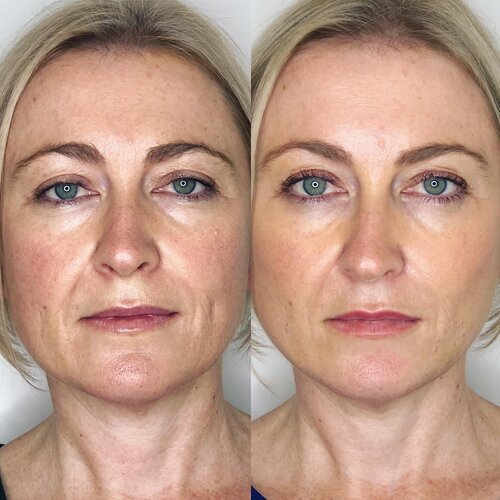
There has been an explosion of interest in the use of cosmetic threads, as more options are now available for use in Australia. I have been using cosmetic threads in patients for the past 5 years, having had training with some of the world's top thread lifting doctors. I am excited to share what is new with you all!
But to start with, What are threads?
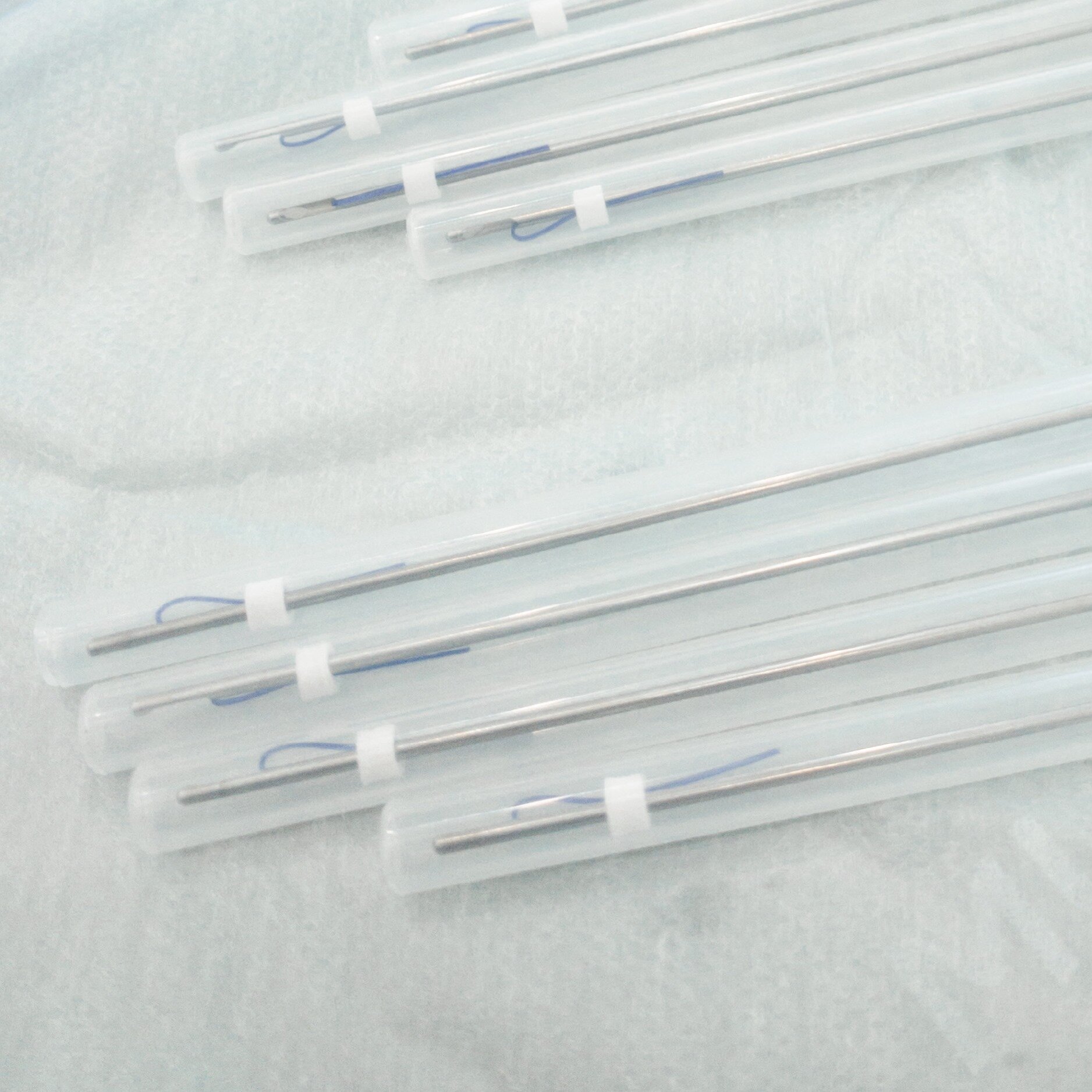
The threads we most often use made out of similar material to sutures we use to close wounds. These threads can be used to either tighten the skin or lift it, or both. The come usually preloaded into cannulas or very fine needles so we can get them under the skin. All threads now approved for use in Australia dissolve over time. The length of time this takes varies depending on the thread used and the individual patient.
Skin tightening threads
In this instance a number of very small threads (up to 50 of them) are used just under the skin. These threads stimulate collagen and are used for tightening and soften wrinkles. I love using these along the jawline and under the neck. You can even use tiny ones to tighten the skin under the eyes. The threads dissolved over time, leaving collagen in their place. I will often use a combination of skin tightening threads with PRP (platelet rich plasma) and the Heallite for a triple skin tightening and anti wrinkle treatment
Skin lifting threads
Then there are the larger threads we use to lift. These are thicker and often contain little cogs that are molded into the thread to help it grip to the tissue under the skin. These marvelous threads can be used to reposition skin that is falling southward and elevate it (and the fat pads) back where we want them to go. I use these in patients with early jowl formation, and to help elevate the cheeks and take pressure off the lower part of the face.
Lifting threads can also be used to lift heavy eyebrows. They do not replace eyelid surgery, however when heavy lids are due to a heavy forehead, they can really open up the eyes.
A little known application of threads is to correct the angle of the nose. This is a safer way of non surgical nose surgery that does not carry the risk of using dermal filler in this region.
Ok that all sounds cool, but how do you actually do the procedure?
For tightening threads, we get our clients to apply a topical numbing cream 40 minutes before their appointment and then off we go. This little picture shows some of the threads still inside the needles sitting in the skin - when we pull the pink needles out, the thread stays behind. The procedure takes about 30 minutes.
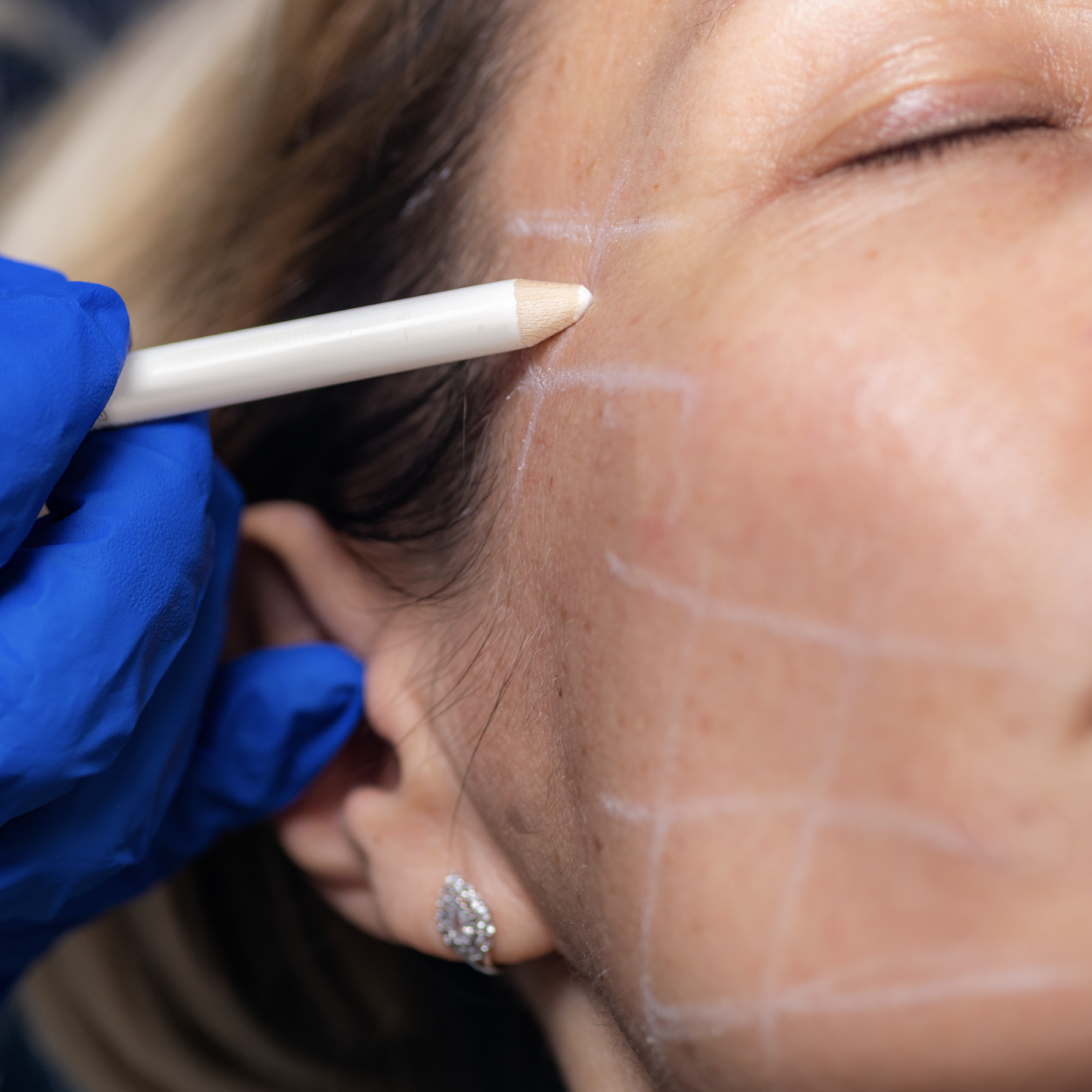
For lifting threads, I take my time drawing on the face, making sure I know exactly where I want to place the threads and also make a plan of any anti wrinkle, skin tightening or dermal filler I may also want to use after the threads. I then use some very fine injections to completely numb the face where I want the threads to be inserted. Once the local is in, the procedure is very comfortable and some patients fall asleep (though maybe that is because they get bored with me talking…). The threads get inserted down small tubes called cannulas. The cannulas are removed, leaving the threads behind, then I lift the skin up where I want it to go and then trim the thread so it pops in under the skin. We allow an hour and a half for this treatment as I am a fussy perfectionist and take my time planning before the threads even get close to your skin. We will look after you and ply you with tea and bikkies to get you through.
Who is the treatment suitable for?
While the idea of a ‘non surgical facelift’ appeals to many people, it is not a substitute for a facelift if you have significant excess skin and volume loss. It is ideal for patients in their 40s and 50s with early jowl formation or heavy marionette and nasolabial lines. It may be suitable for patients >60 years provided there is still firm skin and not too much loss of the fat pads in the cheek and area below the cheek line.
What are the side effects and down time of the procedure?
The most common effects are swelling and bruising which may take up to a week (sometimes 2 weeks) to resolve. For the first 1-2 days the threads will feel tight and possibly uncomfortable - paracetamol and cool compresses will help this. It is important to not have a thread lift just before a big event - give yourself a week for any swelling and bruising to resolve.
How long does it last?
You can expect 12-18 months benefit from your threads, often longer. The ongoing benefits we see are persisting skin tightening as the threads are making collagen as they dissolve. While it might sound great to have a permanent thread inserted, dissolving threads are much safer and more gentle.
Sounds awesome! How do I book?
A thread lift is best considered as part of a total face treatment plan. I will always see you for an appointment first to make sure the treatment is right for you and provide you with a full written plan and quote before we proceed with your booking. You can email us and we will get back to you with an appointment time, you can call or head online to book a cosmetic consultation.

Which sunscreen is the best for my skin?
We all know we should wear sunscreen, right? But with so many on the market, how do you decide which one is best for you?
We all know we should wear sunscreen, right? But with so many on the market, how do you decide which one is best for you?
Broadly speaking, there are two types of sunscreen - Chemical and Barrier Sunscreens. In the end both only work if you put them on in the first place and reapply them as required. Both types of sunscreen reduce the amount of damaging UV (ultraviolet) light from targeting the skin. UV light impairs DNA function in skin cells, increasing the risk of skin cancer and premature ageing.
When I ask my clients if they wear sunscreen, many answer “when I am out in the sun”. Living in regional Australia, I would like to say that most of us are out in the sun, at least briefly, multiple times a day. I personally believe that you should apply sunscreen to your face, neck, chest and backs of hands every day as part of your morning routine- that way you will not be caught out if you inadvertently end up spending more time in the sun.
Chemical Sunscreens
These sunscreens contain a blend of ‘chemicals’ that get absorbed into the superficial layers of your skin to absorb and reflect UV (ultraviolet) light.
Because a number of different chemicals are used, they can be very light to apply while still affording very good sun protection. One chemical alone is inadequate to provide broad UV spectrum protection, so a blend needs to be used. This has a benefit of making many of the formulations very light to apply, so they ‘melt’ into the skin.
The negative is that a number of the chemicals are found in urine samples of people wearing them regularly, which would indicate they are absorbed more than just into the surficial layers of the skin. While there is still debate in Australia about whether this is harmful to our health (getting skin cancer is more harmful!), many people prefer to not use these chemicals in their skin care products.
The other negative can be the irritation and stinging in the skin - particularly the eyes with sweating. They can also have a strong ‘sunscreen’ scent.
Barrier Sunscreens
These sunscreens form a barrier on the skin that reflects and scatters UV light without absorbing the light or using chemicals that are absorbed into the surface cells. There are many formulations on the market, but most contain a blend of zinc oxide and titanium dioxide. The pros - they give very good broad spectrum protection and are less easy to wipe off from the skin. They are completely natural and act as skin softeners to protect and nourish the skin, while providing sun protection at the same time. They also have a more neutral scent and are non irritating
The negative is that many formulations are thicker and whiter than their chemical counterparts. There are formulas that are lighter and contain a small amount of skin coloured tinting that makes the cream easier to apply and removes any white appearance.
So which one is for you? We stock both types at the practice. I am a huge fan of barrier sunscreens and am in the process of trying to compound my own version that is lighter and easier to apply than those currently available on retail shelves. At CWM and Skin we stock Synergie Skin Uberzinc day cream and Uberzinc body sunscreen. These forumations are light, non sticky and blend beautifully into the skin.
We also stock ASAP moisturising daily defence which is a light, low scent, moisturizing chemical sunscreen that is suitable for all skin types.
Get in touch with us on (02) 5925 5333 if you have any questions about your skin or to organise an appointment, or book now here.

Join Us
We are excited to be able to offer an opportunity for new doctors to join our practice.
We are excited to be able to offer an opportunity for new doctors to join our practice.
What sets our practice apart from others?
A unique space:
We have created a unique and beautiful space to work in. Working on the theory that patients will be more able to receive and engage in healthcare, we have designed our practice to look non clinical. Central Wagga Medical and Skin Clinic is located within a centuries old building in the heart of central Wagga Wagga. Thoughtfully restored, the building has been taken from stately residence to modern, bright and stylish medical facility.
Consultation rooms are large and retain heritage features. There is pathology onsite.
Superior support staff:
We have a high staff to doctor ratio. As part of your service fee, we provide superior support staff, who attend regular training and are competent in adapting to the changing needs of the practice as it grows and diversifies. In addition to practice nurse support, we employ a physician's assistant who can facilitate clinical care with your patients and is available for assistance with procedures.
We collaborate:
We work closely with some of the best consultant specialists, public and private hospitals and allied health teams in Wagga (and neighbouring cities). Our practice has an excellent reputation for quality clinical care and these individuals and teams are keen to work with us by providing advice and timely appointments for patients. There is a level of collegiate respect and rapport that we have found missing when we worked in the capital cities.
We teach business skills:
Recognising that doctors receive very little business training during their studies, we support you in learning and developing a business plan. This includes access to a session with our specialist small business accountants and financial planner.
We have worked hard to set up our practice from scratch . We would love to be able to share what we have learnt and help you earn the income your experience and expertise deserves.
Find your niche:
We want to help you find your niche in general practice. This includes growing a patient base that complements the style of medicine you practice. We can teach you how to attract and retain patients who are a pleasure to work with and appreciate the skills and expertise you have to share.
Do you have a special interest area you would like to develop? We encourage our doctors to find and develop their clinical interests. We are open to new ideas and can help provide a clinical and business plan to make it happen.
We learn and we teach:
We recognise that we have much to learn from each other. Regular catch up sessions and impromptu case discussions facilitate this. We also support each other by being available for second opinion or just to run something past another clinician.
We are accredited with our regional GP training provider, GP Synergy, and accept applications from registrars. In our mind, teaching and supporting registrars is an investment not only in the health of our nation, but we hope you might decide to stick around contribute to growing a quality medical workforce in Wagga.
Wagga Wagga is a great place to live:
You may be surprised to know that Wagga is the largest regional city in NSW. 64 000 residents strong and growing, Wagga is also the commercial hub of the central west (known as the Riverina). We have fabulous schools, public and private; a large regional referral hospital; two busy day surgeries and a private hospital (that has a newly renovated maternity unit). Love coffee and food? Wagga has a thriving coffee scene and restaurants showcasing the regions renowned produce. With only a one hour flight from Sydney and Melbourne with multiple flights daily, it is easy to take yourself off to the big smoke when the need arises. Why not come out for a visit? We would love to show you around.
Ready to find out more?
Email tracey@cwmedical.com.au

Are Your Hands Ageing You?
We spend a lot of time and money, looking after our faces; but have you ever thought about what your hands say about you?
I took a picture of me holding up a new bag to send to a friend recently. When I looked at the image I did not recognize my hands! When did I end up with old lady hands?
We spend a lot of time and money, looking after our faces; but have you ever thought about what your hands say about you?
Like the rest of our body, as we age we lose elasticity in the skin of our hands. Also we lose the subcutaneous fat (I know, I know, we lose it where we want it and gain it where we don’t!). Our hands are front and center when we drive our cars or spend time in the garden. They receive significantly more sun exposure that the rest of our bodies (but hands are harder to cover up). We are washing and applying rubbing alcohol more than we ever did, so now the skin is also dry, red and flaky.
So we end up with loose skin, tendons and veins sticking out, brown spots and dry flaking skin. Argh! What can we do to improve the appearance of our hands?
Prevention better than cure.
Cover up! Consider wearing protective gloves when driving or out in the garden. Apply sunscreen regularly to the backs of your hands. When possible, wash your hands in a gentle, non soap hand wash and moisturize afterwards. Only use the alcohol hand sanitizers when out and about and washing is not possible.
At home treatments.
Everything you apply on your face, you can apply on your hands. When applying your facial serums morning and night (we are talking about the A,B and Cs), put the excess on the back of your hands. Ditto for your face cream.
If your hands are dry, consider applying a Vitamin E +B3 cream at night and then wearing cotton gloves to bed to help the ingredients penetrate the skin (the Solarcare B3 moisturizer we sell at the clinic is great for this)
In clinic treatments.
All of our facial treatments can be adapted to treat your hands.
For brown spots and pigmentation, nothing works as good as our vascular laser. You can add a hand laser treatment on to your facial treatment, or just come to treat your hands. The treatment is very quick, well tolerated and results are seen after the first treatment (though we recommend 4 treatments to see the most benefit).
For loss of volume/prominent tendons and veins
Did you know we can use dermal fillers in the hands? If you are new to dermal fillers, you can read more about them here
These natural gels fill out the spaces where there is volume loss. Better still, the treatment promotes collagen production at the same time, improving the strength and the elasticity of the skin. A double Whammy! The treatment is safe, well tolerated and the results last for about 12 months.
Ready to book in or want to know more? You can book a treatment online, call our helpful front of house team or send us an email.
Solarcare B3 $29
Laser hand treatments $150 each or package of 4 is $500
Dermal filler treatments from $650 here

Periorifical Dermatitis
What is it and how do I get rid of it!
What is it and how do I get rid of it!
Periorifical dermatitis is a common skin condition that is distressing to patients as it can take some time to treat and it often recurs.
It is commonly misdiagnosed as eczema or contact dermatitis and treated with steroids. While this can make the rash better temporarily, it will then come back with vengeance and be more difficult to treat effectively as time goes on.
What causes periorifical dermatitis?
Doctors believe it is caused by a breakdown of the integrity of the skins barrier function. This can happen by stripping the skin with too many products and harsh cleansing, though diet, the environment and gut bacterial imbalances also play a part. Also, misdiagnosis and treatment with steroids, or the use of inhaled steroids to treat other conditions (like asthma and allergic rhinitis) can make it worse.
How is it treated?
Like many skin conditions, a multifactorial approach is required
1.‘Zero therapy’
As difficult as it may sound, the most effective treatment is to avoid all skin care products with active ingredients. In particular AHA/BHA. This also includes make up. Wash with a gentle cleanser and apply a light, oil free moisturising SPF during the day.
2. Pro biotics - for the gut and the skin
There is increasing evidence that good gut health and good skin are not just a coincidence. Taking a probiotic and making sure your diet is filled with whole foods (ie, avoid the food in the centre of the supermarket aisles!) will help. There are also prebiotic products that you can apply on the skin. We use Dermitoic by Synergie Skin.
3. LED light therapy.
LED light in the yellow (832) wavelength (provided by a Healite) can reduce inflammation and help rebuild the barrier function of the skin by increasing collagen production. It can also reduce the activity of the bacteria under the skin.
4. Avoidance of steroids. Steroids may have to be weaned under medical supervision if there has been significant use over time. Gently cleaning the face after using your asthma preventer will also reduce the time the steroid is in contact with your skin.
5. Prescription medications
Sometimes the break down in the skin barrier results in over production of bacteria under the skin. In this circumstance, oral antibiotics (Tetracyclines) may be required to help get control of the dermatitis.
At CWM and Skin we love helping people treat skin conditions. Our doctor and nurse team have many years of combined experience and as a medical clinic, we only provide evidence based treatments. To find out more, book a consultation online, call or email us. We are here to help!